Fish and Chip Shop Packaging: Paper, Boxes or Bags?
What packaging a fish and chip shop needs: when to use chip paper, when a box is better, how to keep batter crisp and what to print first.
By TradePack2 min read

A fish and chip shop has one of the most recognisable kinds of packaging in the country: a hot parcel wrapped in paper. But today's customers don't only eat on the harbour wall. They collect, they order on delivery apps and they take food a long way home. The right packaging depends on how your food travels.
This guide explains when paper works, when a box is better and how to put together a packaging list for a chip shop.
Chip paper: the classic
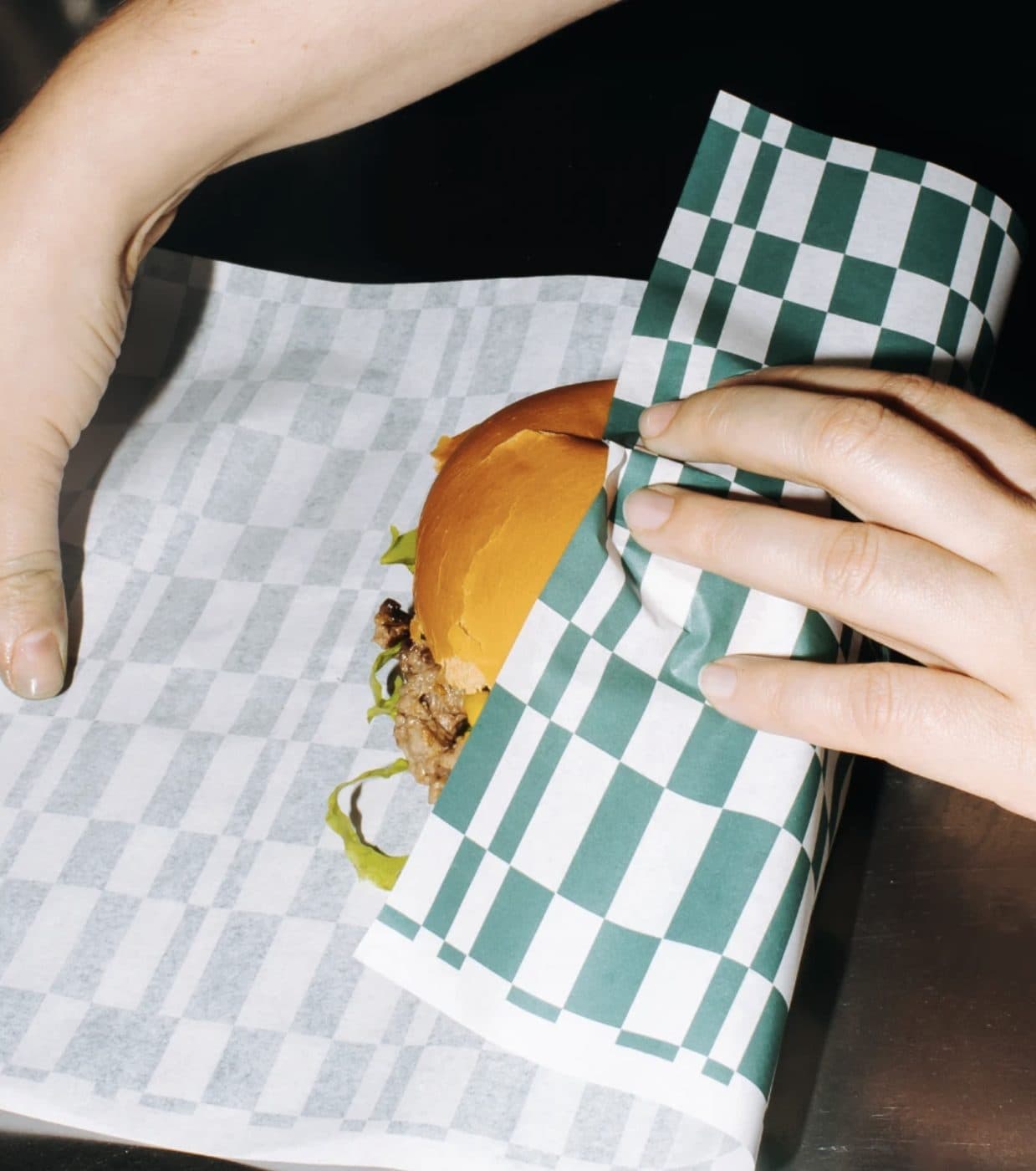
Printed chip paper is the traditional choice, and it still does a lot for a shop. It keeps food hot for a short time, it's quick to wrap and it carries your name to every customer. A repeating logo or a traditional pattern looks good in photos and on social media.
Paper works best for:
- Eating in or a short walk
- Counter service and queues
- Customers who want the traditional experience
For juicy or very oily food, use a paper with enough grease resistance and strength to survive wrapping. Greaseproof paper also works well for lining and wrapping fish.
Boxes: better for longer journeys
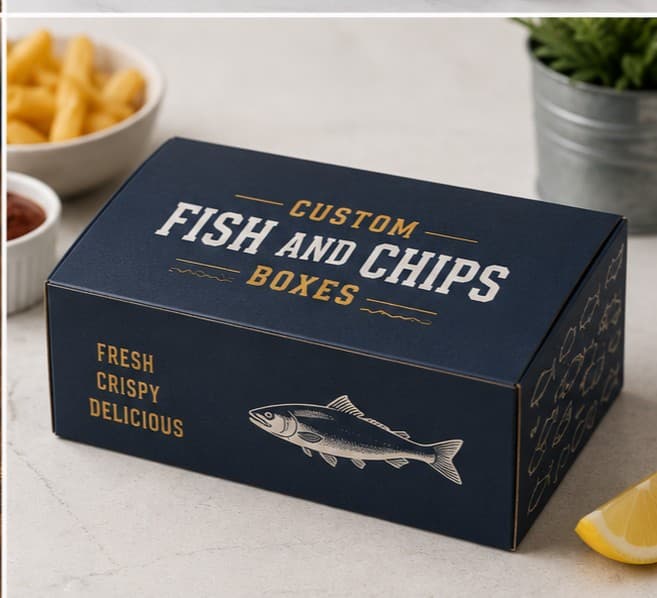
For collection from further away and for delivery, a printed fish and chip box protects the food better than paper alone. It stops the portion being squashed in a bag, keeps heat in and keeps grease off the bag and the customer's hands.
A box is worth considering when:
- You deliver, directly or through apps
- Customers drive or travel a distance
- You want to keep fish and chips separate, so the batter stays crisp
Bags: carry it all
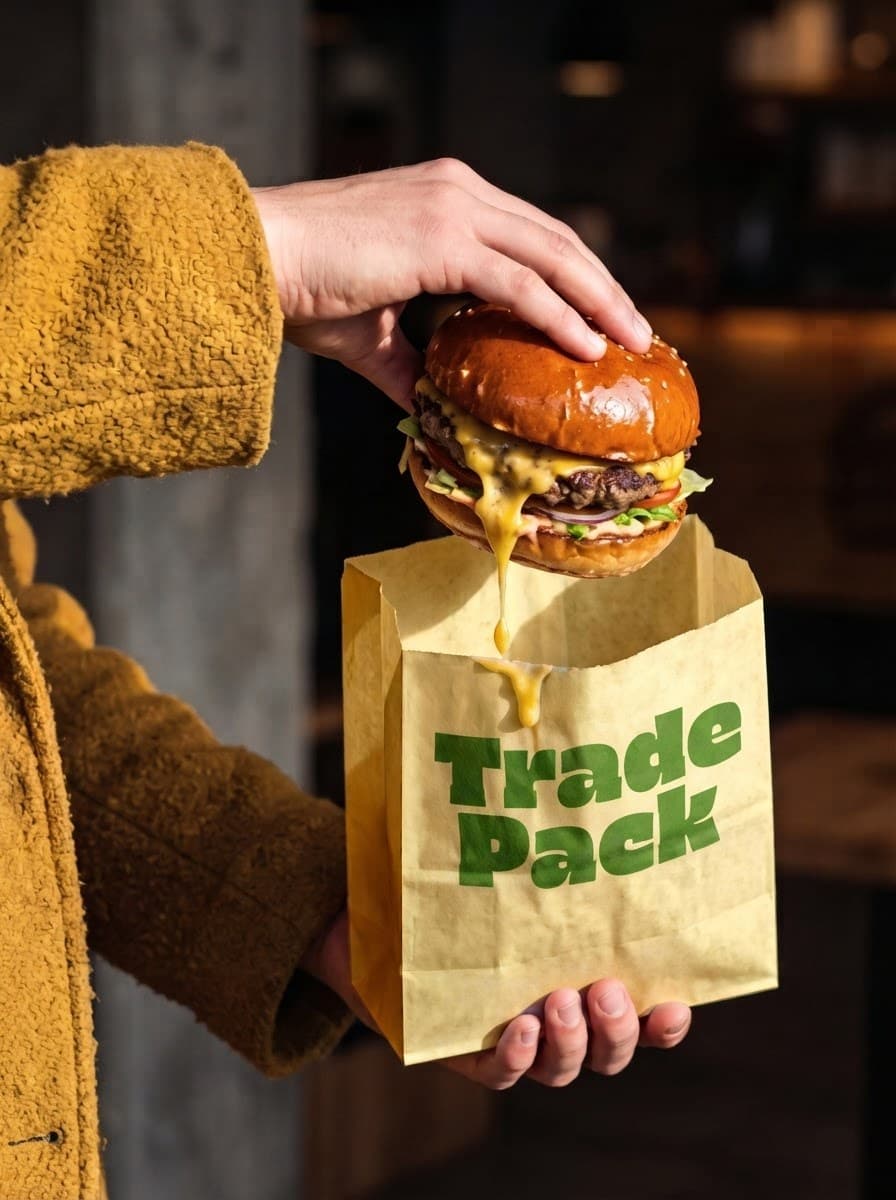
Whether you wrap or box, you'll need a bag. SOS paper bags are quick to fill and suit single portions. For bigger orders, a takeaway bag with handles is easier to carry. Choose bags that cope with grease, and seal delivery bags with a printed sticker.
Keeping batter crisp
The biggest problem in fish and chip delivery is steam. Hot food in a tightly closed container softens batter and chips quickly. A few things help:
- Choose a box and board that suit hot, oily food
- Don't seal food the moment it leaves the fryer if you can avoid it
- Keep fish and chips apart for long journeys
- Test your packaging on a real delivery before you commit
A chip shop packaging list
- Printed chip paper
- Greaseproof paper for wrapping and lining
- Fish and chip boxes in the portion sizes you sell
- SOS bags for single portions
- Takeaway bags for larger orders
- Seal stickers for delivery
- Pots or small boxes for sauces and sides
- Napkins
Opening a new chip shop?
Start with our packaging checklist for new food businesses. Production and delivery typically take 30 to 35 days after you approve your sample and artwork, so start around eight weeks before you open.
Summary
- Use printed chip paper for the counter and short journeys.
- Use a box for delivery and longer journeys.
- Choose grease resistant bags.
- Test your packaging with real food before ordering.
See packaging for fish and chip shops, or tell us about your shop and we'll build your packaging list with you.